A heartfelt thank you goes to the Swiss Society of Surgery (SGC) and the Swiss College of Surgeons (SCS), which for many years have generously funded the missions of young surgeons and thereby made a significant contribution to promoting the next generation of surgeons in humanitarian work.
When medical students are asked why they want to become doctors, many answer: “Because I want to help other people.” However, once one starts working in everyday clinical practice, that goal can sometimes seem distant. Between mountains of paperwork and countless administrative tasks, the profession often feels more like an office job. After six years spent writing discharge summaries and working within a tightly scheduled ward routine, the Swiss Medical Team project in Tajikistan sounded exactly like the reason I had originally chosen to study medicine: to make a difference and to give something back in return for the privilege of receiving a medical education and structured surgical training.
How privileged I am—and indeed everyone fortunate enough to work within or receive care from the Swiss healthcare system—only truly became clear to me after those two weeks in Tajikistan. It happens when you realize that the healthcare system you complain about every day is something that others can only dream of.
Despite extensive research and reading the reports of previous missions, I could not imagine what the experience in Tajikistan would actually be like before my arrival. I believe it is an experiences that must be lived firsthand in order to be fully understood.
The spring mission in Khujand marked the beginning of a new project, and precisely this fresh start made it particularly exciting. We had the opportunity to help shape the project from the ground up while also gaining insight into the “raw state” of the local healthcare system: How does work function on site when there has been very little exposure to Western practices so far?
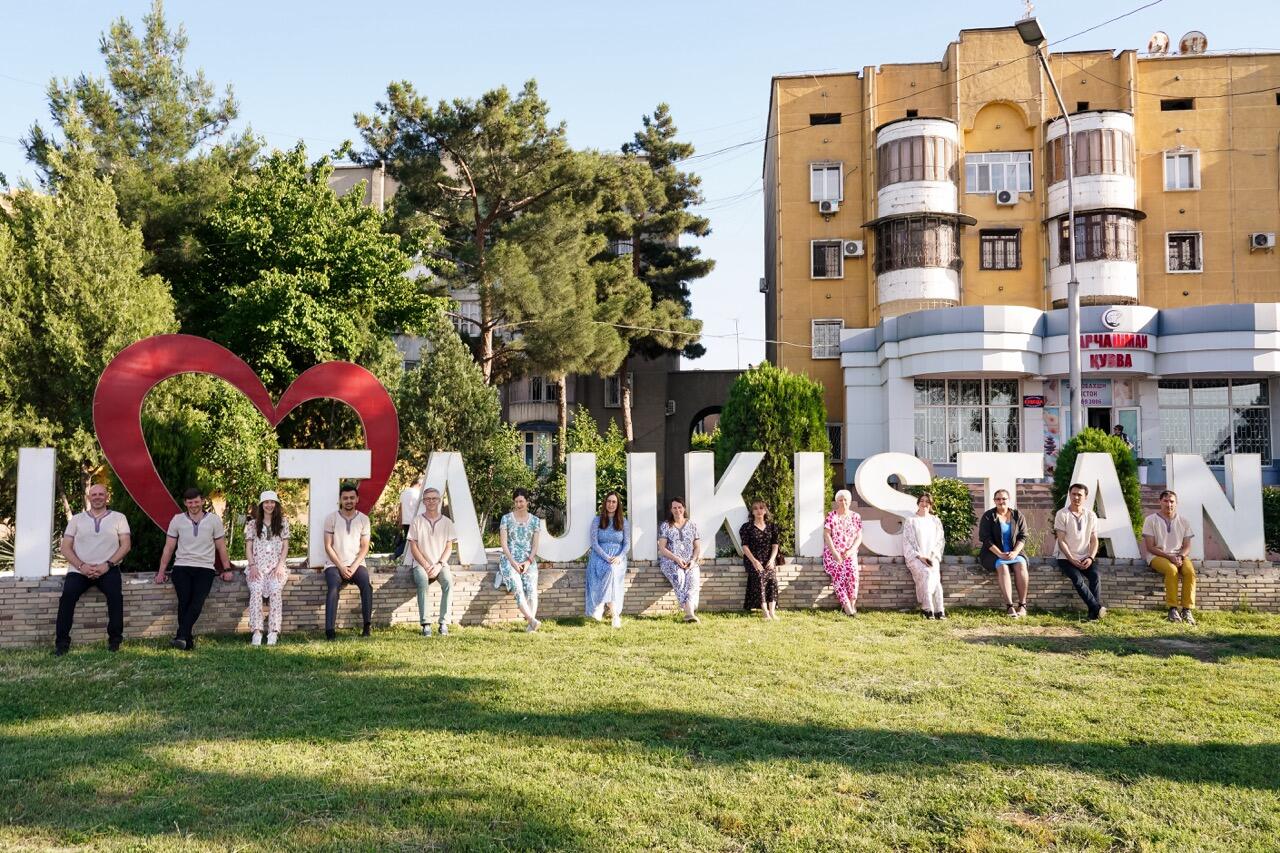
The journey went smoothly, with a flight via Istanbul followed by a bus ride from the capital, Dushanbe, to Khujand. Even during the journey, Tajikistan revealed itself as a land of contrasts. While visitors to the capital are greeted by magnificent boulevards and an almost entirely electric taxi fleet, infrastructure outside the cities remains only minimally developed. We travelled north through narrow mountain passes and unlit tunnels. Upon arrival, we encountered a very different cityscape—less grandeur, but more everyday life.
On Sunday, we visited the hospital to inspect the facilities, unpack our equipment, and set up the necessary technology. We organized a storage room for supplies, a changing room, a common room, and a training room so that everything would be ready for Monday.
During an initial mission, one must resist the urge to immediately change everything. It is important first to assess the existing level of knowledge and current standard operating procedures and then begin implementing small but meaningful improvements. After observing local workflows on Monday, it quickly became apparent that there were deficiencies in some of the most fundamental aspects of surgical practice. Sterile techniques were not consistently observed in the operating room, team time-outs were not conducted, and surgeries were not scheduled in advance for the following day. Operations took place whenever a patient required a surgery. Cut at precisely 8:00 a.m.? Unthinkable—at that time, the morning handover had only just begun.
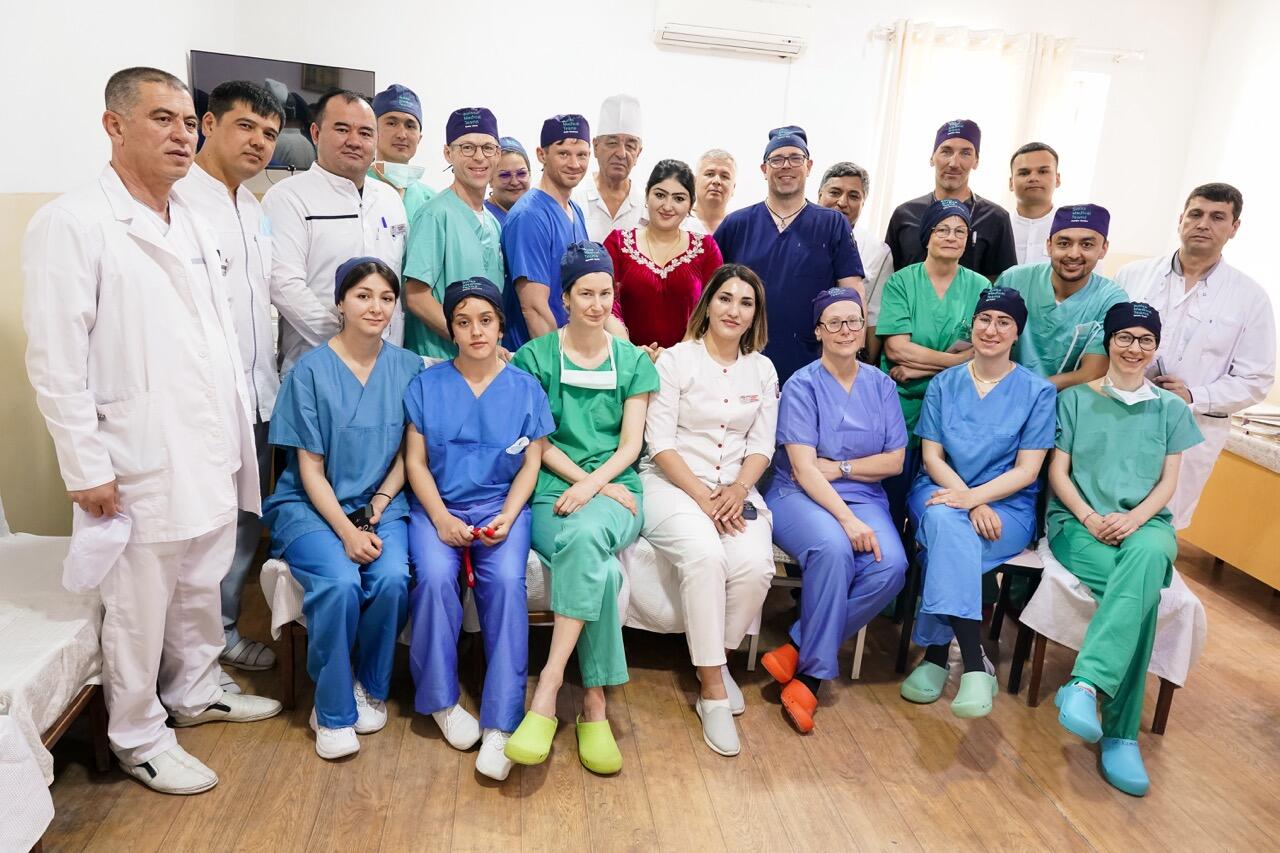
As a result, we also had to adapt and find a middle ground. Our team divided into different groups to cover various areas. The anesthesia team additionally supervised the intensive care unit and provided teaching for the local anesthesiologists. Together with their local counterparts, the operating room technicians focused on the proper reprocessing and sterilization of surgical instrument sets. The surgeons’ responsibilities included conducting interdisciplinary workshops as well as practical training sessions using laparoscopic simulators and suturing courses.
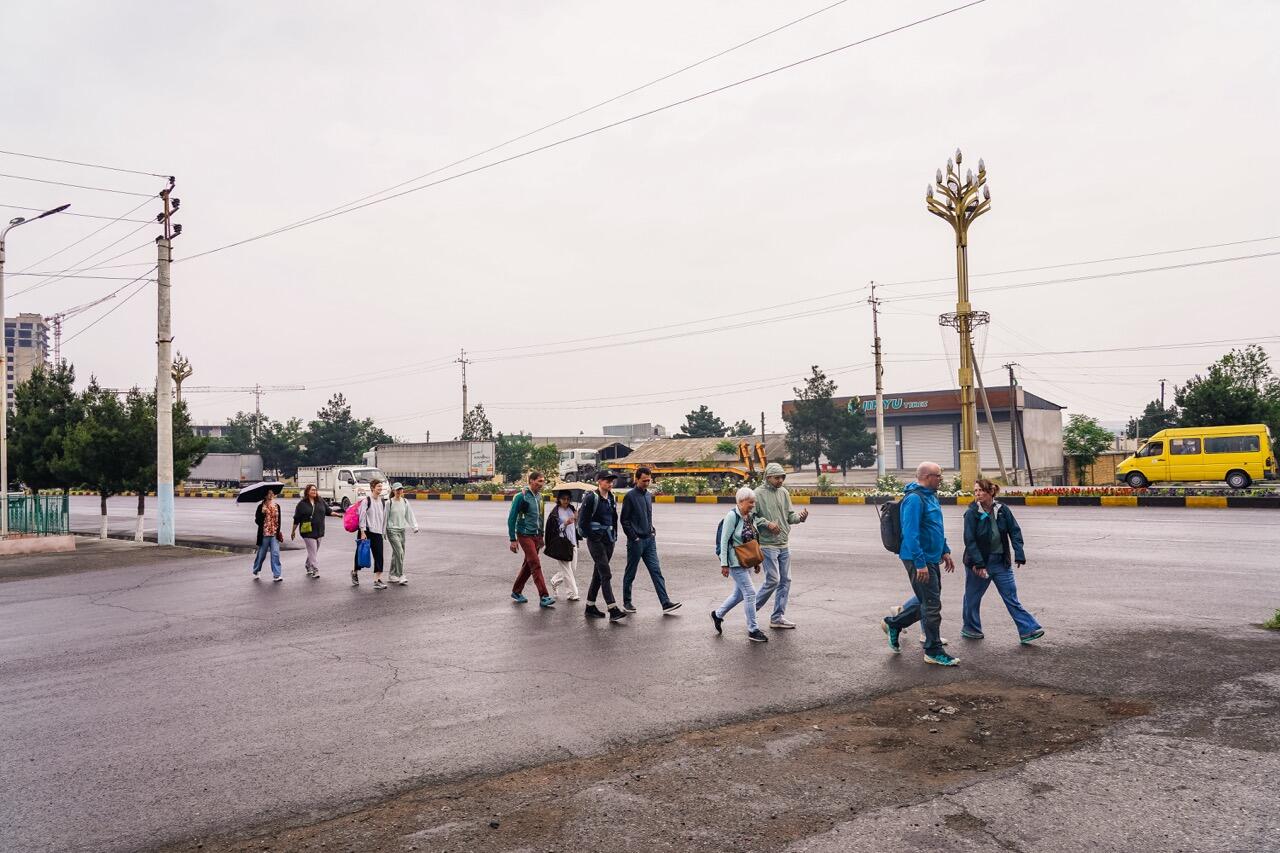
A typical day in Khujand began with breakfast together. Afterwards, we walked approximately twenty minutes to the hospital. Around 8:15 a.m., the daily educational session took place. Topics were interdisciplinary, ranging from sterility and hand hygiene to proctology and varicose vein disease. Attendance was mandatory for both physicians and operating room staff. Our goal was not only to provide specialty-specific education but also to strengthen interdisciplinary collaboration, which had previously been only weakly developed.
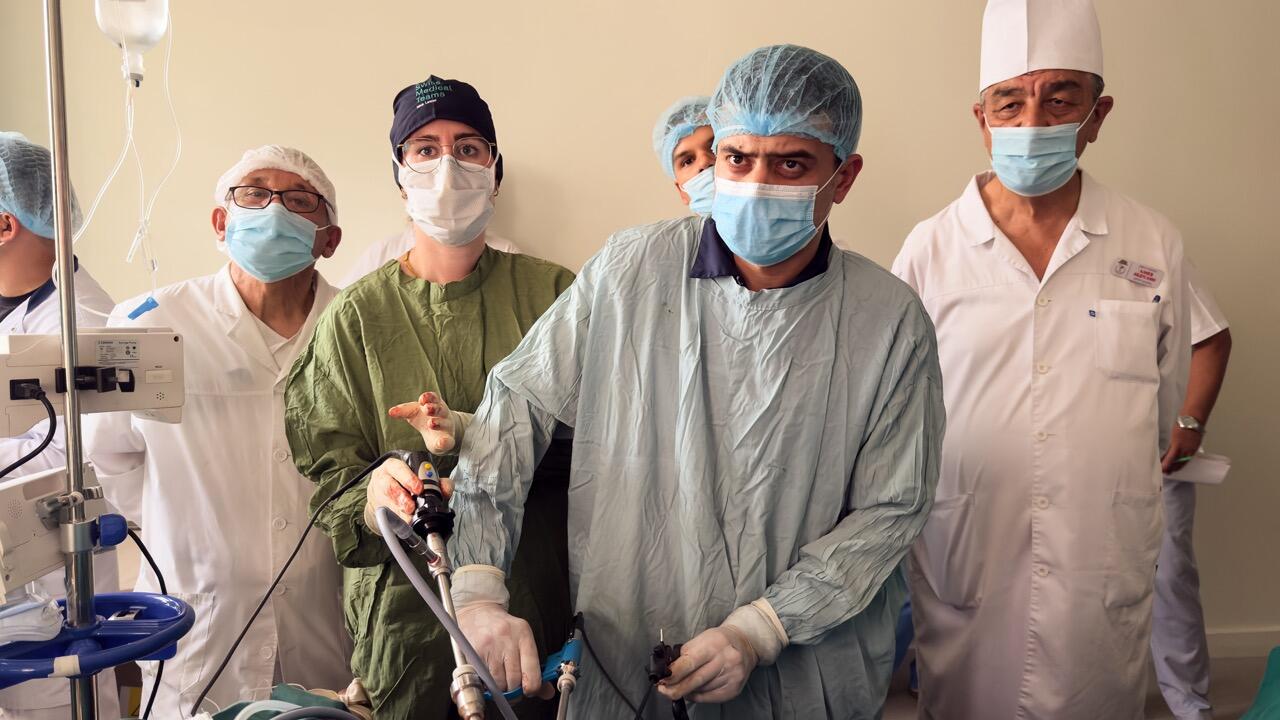
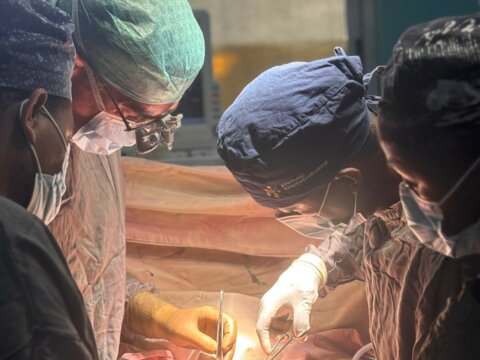
Naturally, however, the main focus of our work was in the operating room. Initially, we demonstrated how we perform a laparoscopic cholecystectomy in Switzerland to our local colleagues. During this demonstration, the small operating room was packed. Although a laparoscopic tower was available and regularly used, the surgical technique differed substantially from our own. Even bimanual laparoscopic work represented a new concept. Thereafter, all operations became teaching cases. We worked side by side with our Tajik colleagues at the operating table and guided them step by step through the procedures.
As a surgical resident in an advanced stage of training, this was a valuable opportunity for me to transition from student to teacher and to pass on both my theoretical and practical knowledge. It allowed me to grow beyond my usual role, and I found it incredibly rewarding to share what I had learned.
Particularly gratifying was observing how many of the local colleagues made noticeable progress during our stay—whether in clinical examination techniques, ultrasound assessment of varicose veins, or handling instruments in the operating room. Their dissection techniques became more refined, and their ligature knots more secure. Everyone was highly motivated to implement our recommendations and learn as much as possible.
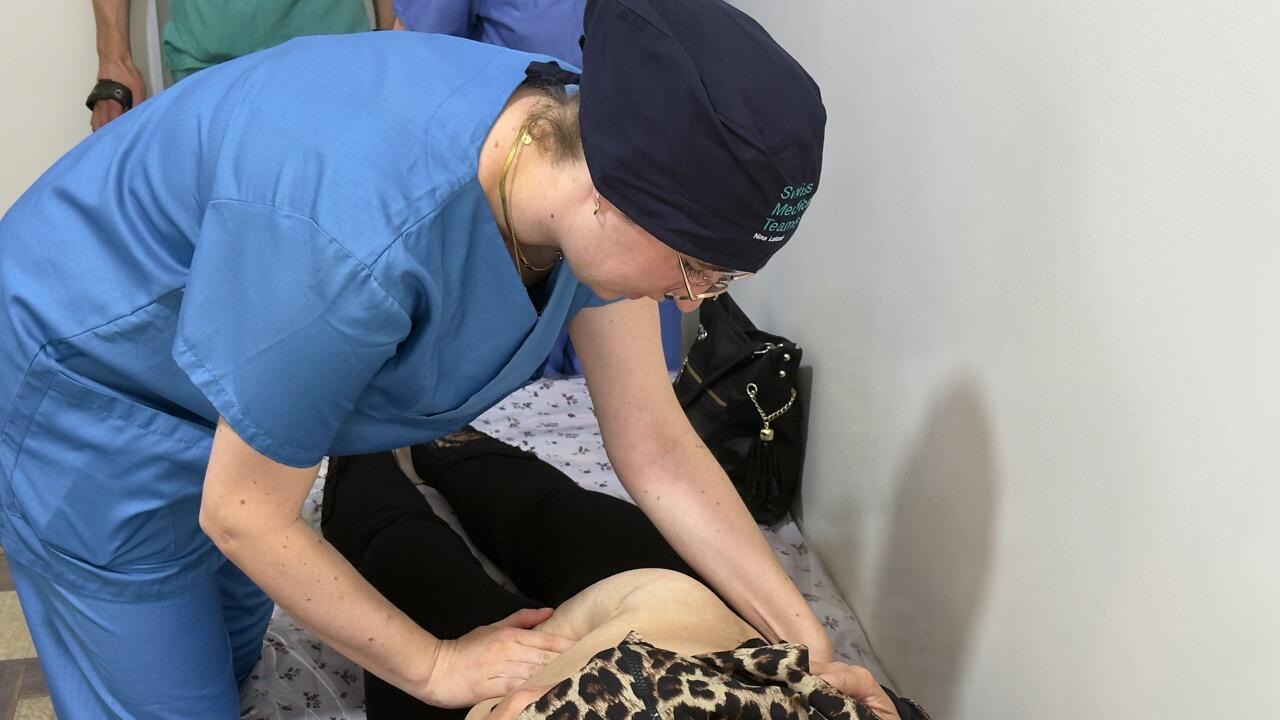
One of my concerns before starting the mission was the level of respect shown to women in surgery. Although previous team members had given me no specific reason for concern, I nevertheless wondered whether, as a young female surgeon, I would receive the same degree of professional respect. These concerns disappeared almost immediately. From residents to department heads and senior consultants, I was treated with great collegial respect and appreciation. My instructions were taken seriously, and my advice and recommendations were implemented. I was particularly pleased to see that there was also a female surgical resident within the local team, even though this remains uncommon there.
I can wholeheartedly recommend a mission with the Swiss Medical Team to anyone seeking to broaden their horizons. It offers not only the opportunity to experience a different healthcare system but also to discover a beautiful country and extraordinarily warm and hospitable people.
At the end of the two weeks, I felt that I had come to know both the country and its people and had gained a unique insight into the local culture.
Finally, I would like to express my sincere gratitude to my team for the exciting and educational time we shared in Tajikistan. I would also like to extend my special thanks to the SGC and the SCS for supporting the project and, in particular, my participation in the mission. Without their support, my involvement would not have been possible.