The fan at the end of the bed hums away and I turn over one last time before getting up. 5:18 a.m. – a cool morning hour, one might think. But here, in Mandritsara during the rainy season, the temperature never drops below 30 degrees for weeks on end – even at night. The humidity is already high in the morning. If you want to do sports, you should do so early in the morning. Today, I have set myself a goal of 10 kilometres. The sun rises as I run through the green and red hilly landscape. At home, I take a quick shower – what a privilege in a country where the majority of people do not have running water at home – before my working day at Good News Hospital begins.
The hospital at the end of the road
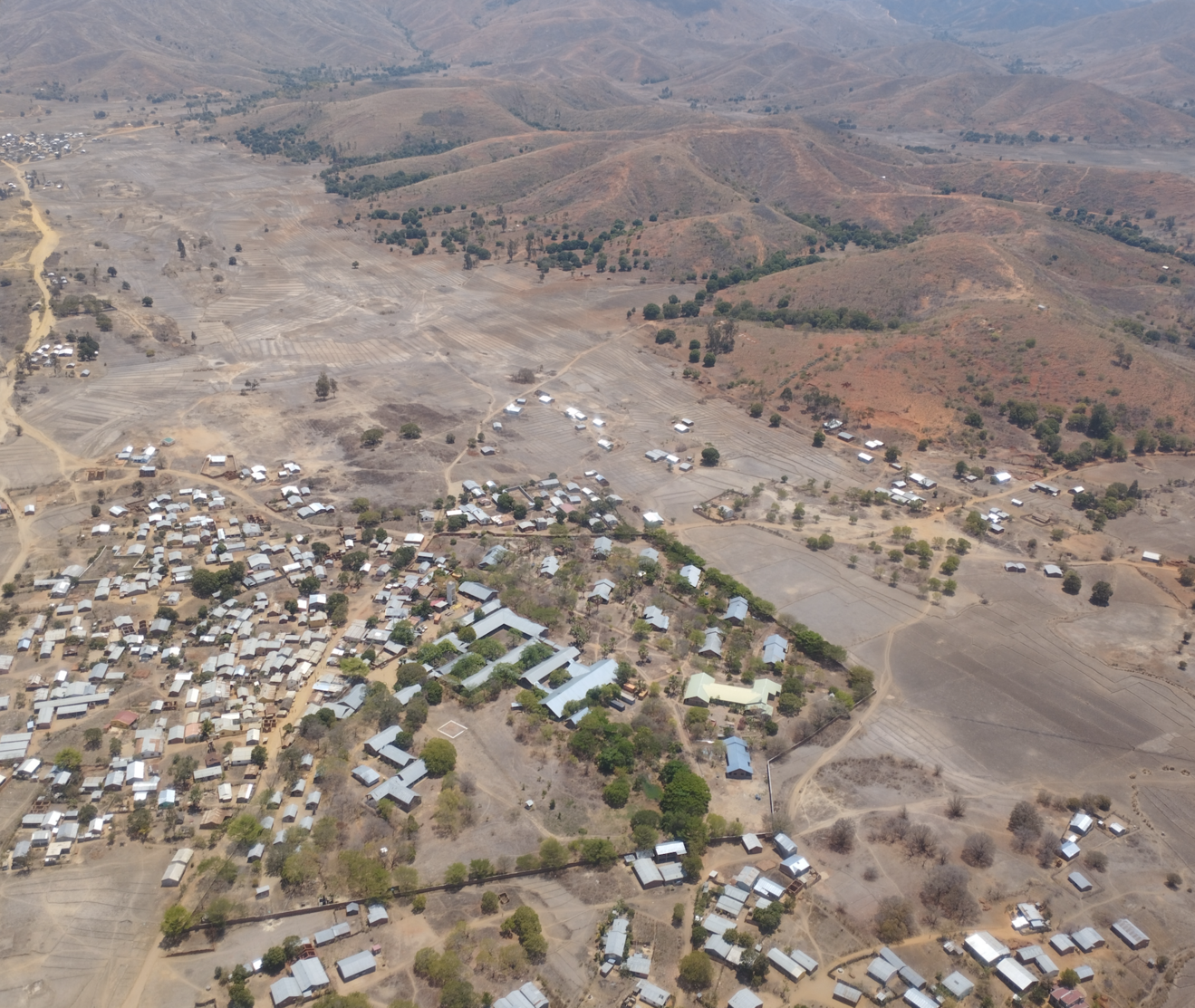
Our ‘hometown’ is Mandritsara, a city with over 30,000 inhabitants in north-eastern Madagascar. When I tell locals from other regions where we live, I often hear ‘but that's REALLY the end of the road’. They are right. Although Mandritsara is the capital of a district with over 305,000 inhabitants, there is not much here. The people are poor. Most of them live from hand to mouth. A local proverb says: ‘Gather today what you needed to live yesterday.’ There is no supermarket, many live without electricity, and most of the year, the majority of people fetch their water from the river or a waterhole. The nearest town is about nine hours' drive away, assuming ideal road conditions.
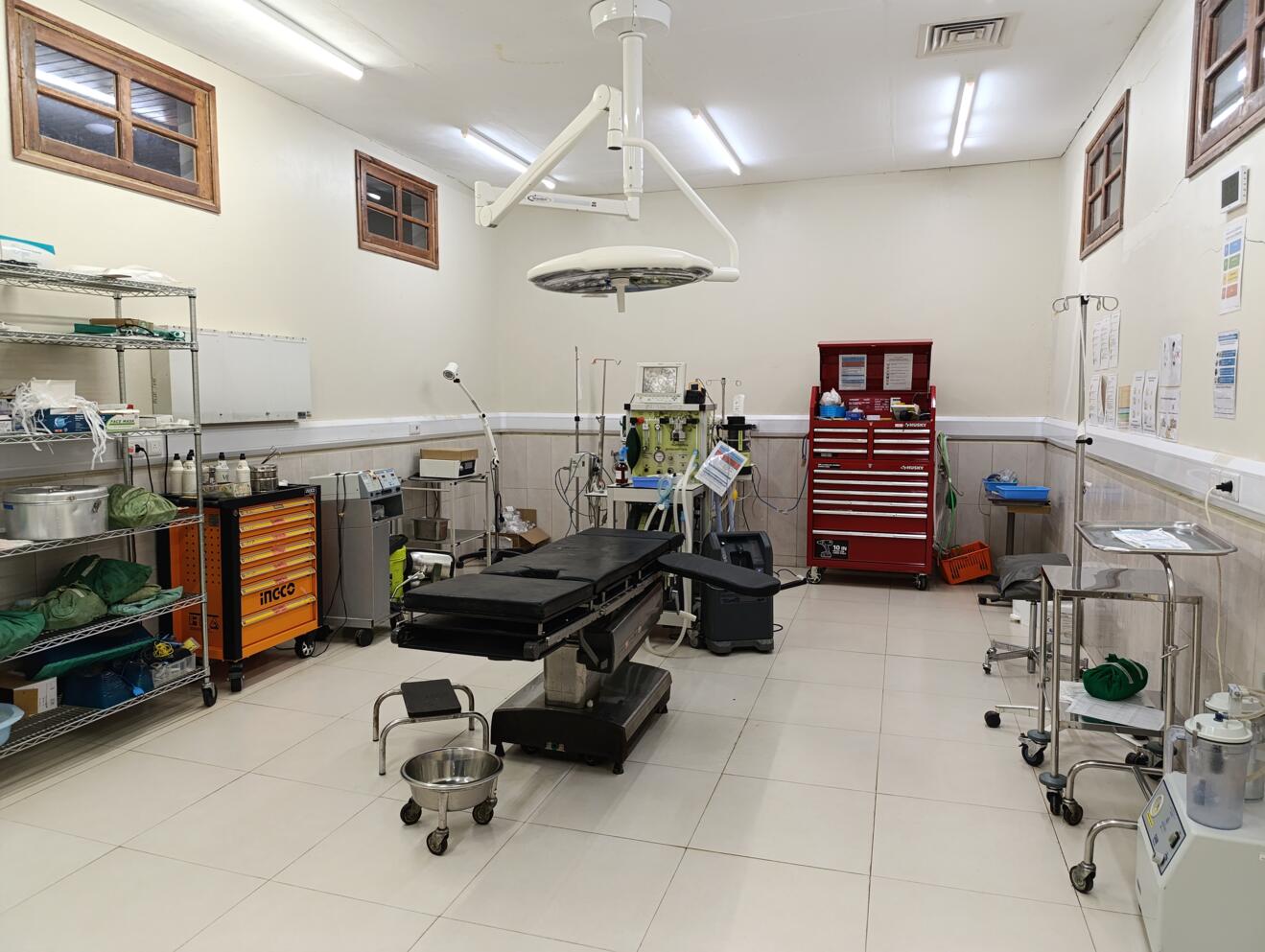
One of our operating theatres
The Good News Hospital receives patients from far beyond the district. It is the only hospital with an operating theatre and an X-ray machine within a radius of approximately 200 km, although distances here are usually measured in hours of walking rather than kilometers – therefore, around five days' walk if you are really fit! In addition to surgery, the Good News Hospital has a medical department, a maternity ward, an eye clinic and a community health programme. With our two operating theatres, one room for minor procedures and one room for gastro- and cystoscopies, we perform around 2,000 procedures per year.
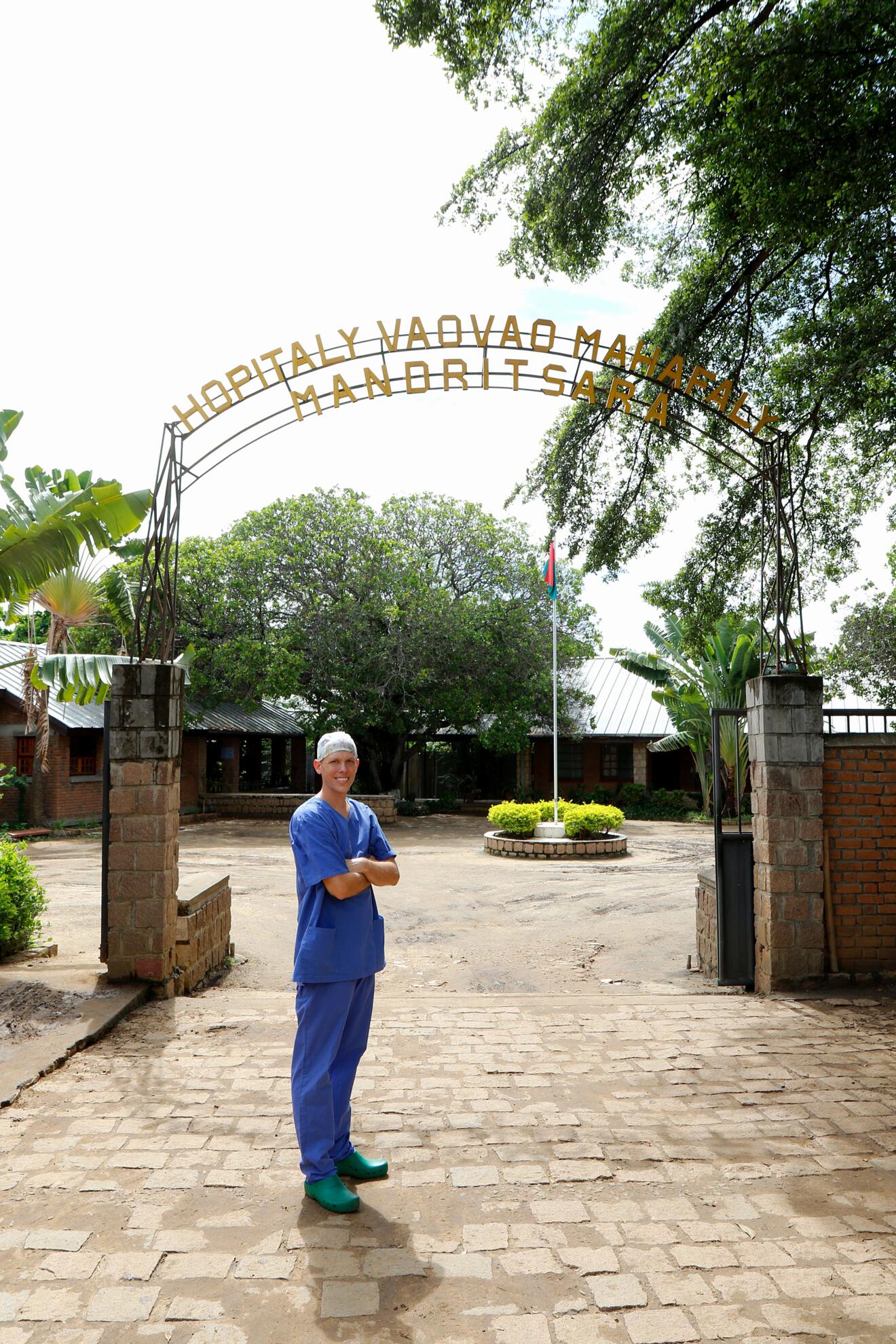
Hopitaly Vaovao Mahafaly, also known as the Good News Hospital, is a faith-based medical institution. The hospital provides care irrespective of religion, ethnicity, or social background. Patients are never denied treatment because of their beliefs or tribal affiliation.
Medical treatment for everyone
Healthcare financing in Madagascar is challenging. Many patients are unable to pay for surgical or medical care. Based on national data from Madagascar, it is estimated that approximately 80–95% of patients requiring surgery would face catastrophic health expenditure, meaning that the costs of care would exceed a substantial proportion of their household income and would likely result in debt if no financial protection were available (Franke, 2022). For the patients who cannot afford hospital treatment, the hospital operates a Poor Fund, which covers partial or full treatment costs based on social assessment, ensuring access to essential care for everyone.
Far away from digital patient dossier
There are no appointments in our consultation hours. Patients arrive at 7:30 in the morning and wait until it is their turn. To keep things organised, patients place their ‘patient booklets’ in a box. This A6 booklet contains their entire medical history: consultations, medication plan, surgery and discharge report. If it is lost, the only thing that helps is to look in the operating theatre records. When the doctor arrives, he empties the box and turns the booklets over. The first booklet is now on top and the stack is worked through accordingly.
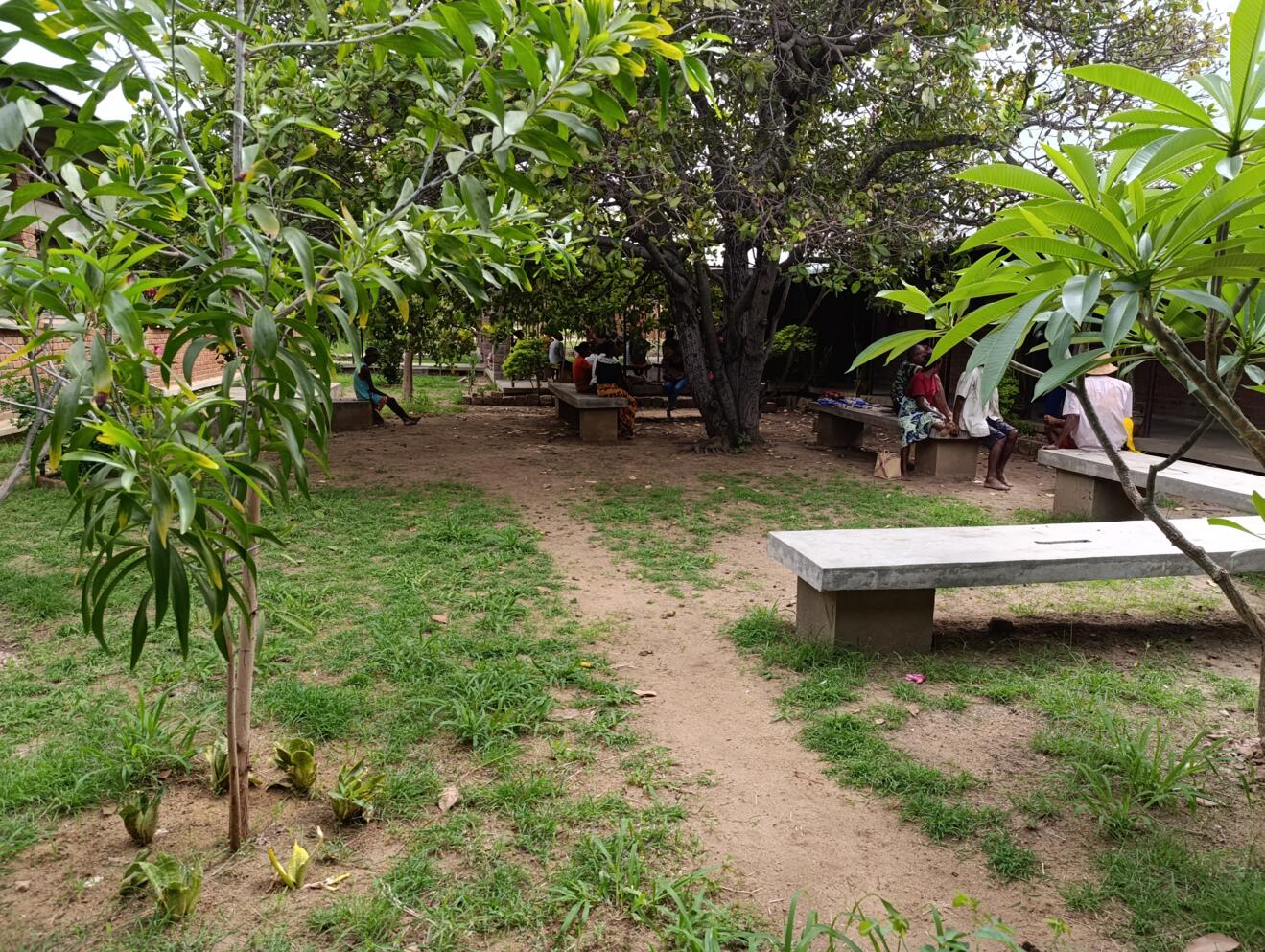
Waiting room for outpatients
Elective operations are planned and usually performed within seven days. Here as well, patients arrive in the morning and undergo surgery throughout the day. There are sometimes long waiting times for both consultations and surgeries, during which patients sit outside on concrete benches to pass the time. In Mandritsara, time is not money. Waiting is therefore not seen as a loss of time, and people are accustomed to it. In my nearly four years here, there has only been one occasion when a patient complained about the waiting time. Incidentally, 7:30 a.m. is considered very late by Madagascan standards – I have received calls at 4 a.m. saying, ‘Good morning, Doctor. I waited to call so I wouldn't wake you up.’ Patients often arrive much earlier.
A day in the operating theatre
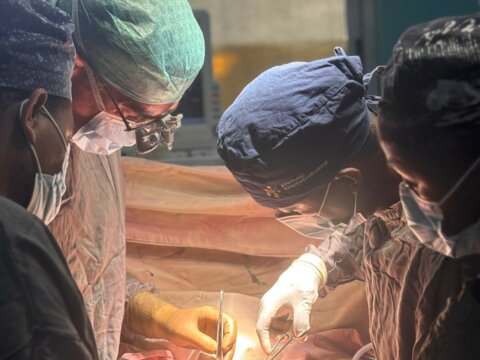
Today is surgery day. At 7:30 a.m., the morning briefing takes place, attended by all three senior doctors, seven residents, four anaesthesia nurses, four surgical nurses and two intensive care nurses. There are no anaesthetists on site – if spinal anaesthesia fails or intubation proves difficult, the senior surgeon is called in. We have a full schedule planned for the day, but additional cases almost always arise, and today is no exception. This evening, I will look back on the following cases:
Case 1: Toddler with burns
A 19-month-old girl presents with a burn injury to her forearm (2% of body surface area). She is also diagnosed with malaria. Her mother walked for more than two hours with her to the hospital. Initial wound debridement is performed, and antimalarial treatment, provided free of charge by the state- is initiated.
Case 2: Caesarean section after vesicovaginal fistula
The 22-year-old patient comes to us for a planned caesarean section. Years ago, she lost her child during a prolonged labour and developed a vesicovaginal fistula, which was later reconstructed at our hospital. Today, she is able to hold her healthy baby in her arms. We use fishing line for the sutures, as it is much cheaper than nylon or PDS. The surgical compresses are cut and folded by hand before sterilisation.
Case 3: Woman with cow dung on her wound
A 44-year-old woman applied cow dung to her wound after a burn, hoping to cool the skin. We have already debrided three times and are changing the dressing today under sedation. The healing process is progressing well. This case is one of many examples illustrating how cultural practices shape our medical reality.
Case 4: Stab wound with a sewing needle while washing clothes by hand
While washing clothes at the river or waterhole, the 23-year-old woman stabbed herself with a sewing needle that had broken off. My axillary block is not working, so sedation is necessary. After a long search (there is no C-arm available), we locate the needle under the carpal ligament and successfully remove it.
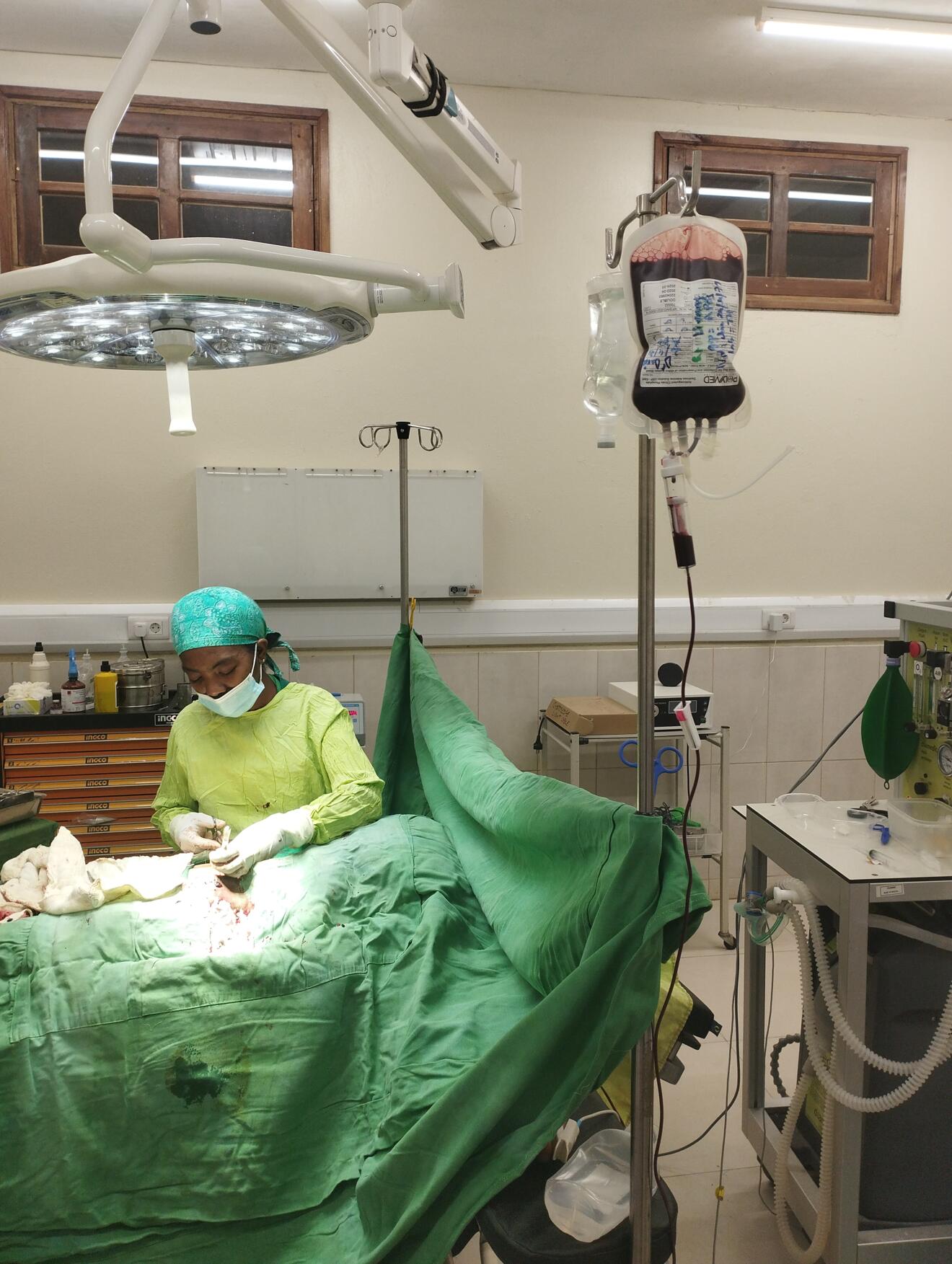
A whole blood donation from me during the transfusion. The scrub nurse is currently suturing the wound.
Case 5: Ectopic pregnancy, 2 litres of blood in the abdomen
When this 26-year-old woman arrives at the hospital, she has already been travelling for eight hours. She is diagnosed with a ruptured ectopic pregnancy. Her Hb 50 g/l, and over two litres of blood fill her abdomen. We perform a salpingectomy. She survives. The next day, she stands before me - weak but alive. A moment that captures the fine line between loss and survival.
Blood banks are available only in the country's largest cities – Mandritsara is not one of them. Whole blood donors usually come from the patient's family. If relatives are unable or unwilling to donate, blood is sometimes taken from the hospital staff. There have even been cases in which the anaesthesia nurse left the operating theatre and returned 15 minutes later with his own blood, which was transfused immediately.
Case 6: Incomplete abortion
Following an incomplete abortion, this patient had been suffering from vaginal bleeding for several days. We performed a dilation and curettage. The next day, the woman was discharged in stable condition, with low haemoglobin level but no ongoing bleeding.
Case 7: Fishing hook in a boy's ear
This seven-year-old boy wanted to catch a chicken from the attic and got his ear caught in a fishing hook. We removed the hook under sedation.
Case 8: Mosquito net for inguinal hernia
This 18-year-old man has had an inguinal hernia since childhood and is scheduled for surgical repair today. As in many other similar hospitals, we use a sterilised mosquito net as a mesh substitute, as it is both affordable and practical (Löfgren J, 2016). Before surgery, we always ask patients to indicate which side will be operated on. Some patients can only answer this if they know where north is in the room. The answer may then be, for example: ‘I will be operated on my hernia on the east side.’ Instead of using left or right, directions are often described in terms of cardinal points such as east and west.
Case 9: Fall from a mango tree
While picking mangoes, this six-year-old girl fell from the tree and sustained a perineal impalement injury from a branch. Under anaesthesia, an injury to the anal sphincter, anal canal and vagina is revealed. During reconstruction, we discuss whether a protective stoma is necessary. We decide against it and the girl recovers without complications. Daily baths are performed in the hospital, as less than 1 per cent of our patients have access to running water (any water, because no one has drinking water at home) or electricity at home.
Case 10: Injured by a cow's horn on the neck
The final patient of the day is a 22-year-old man who sustained a neck injury after being gored by cow's horn. Air is escaping from his wound, indicating airway involvement. Intubation, surgical exploration, tracheal tear, reconstruction. After a short stay in our level 1 intensive care unit, the patient can be transferred to the normal ward and discharged shortly afterwards. He is able to speak and has recovered well.
Diversity in many ways
Ten cases that could hardly be more different – all happening on the same day. Of course, not every day is like this, but I love the diversity of my work. From caesarean sections to colostomies on two-day-old babies with anorectal malformations to traumatology and plastic surgery and all other surgical sub-disciplines, everything is possible, sometimes in a single day. Just when you think you've seen it all, something rare pops up somewhere, or a few ascariasis worms crawl out of a ruptured appendix. The clinical pictures are so distinctive that I have never encountered them in my work in the Bernese Oberland or in the deepest Urnerland.
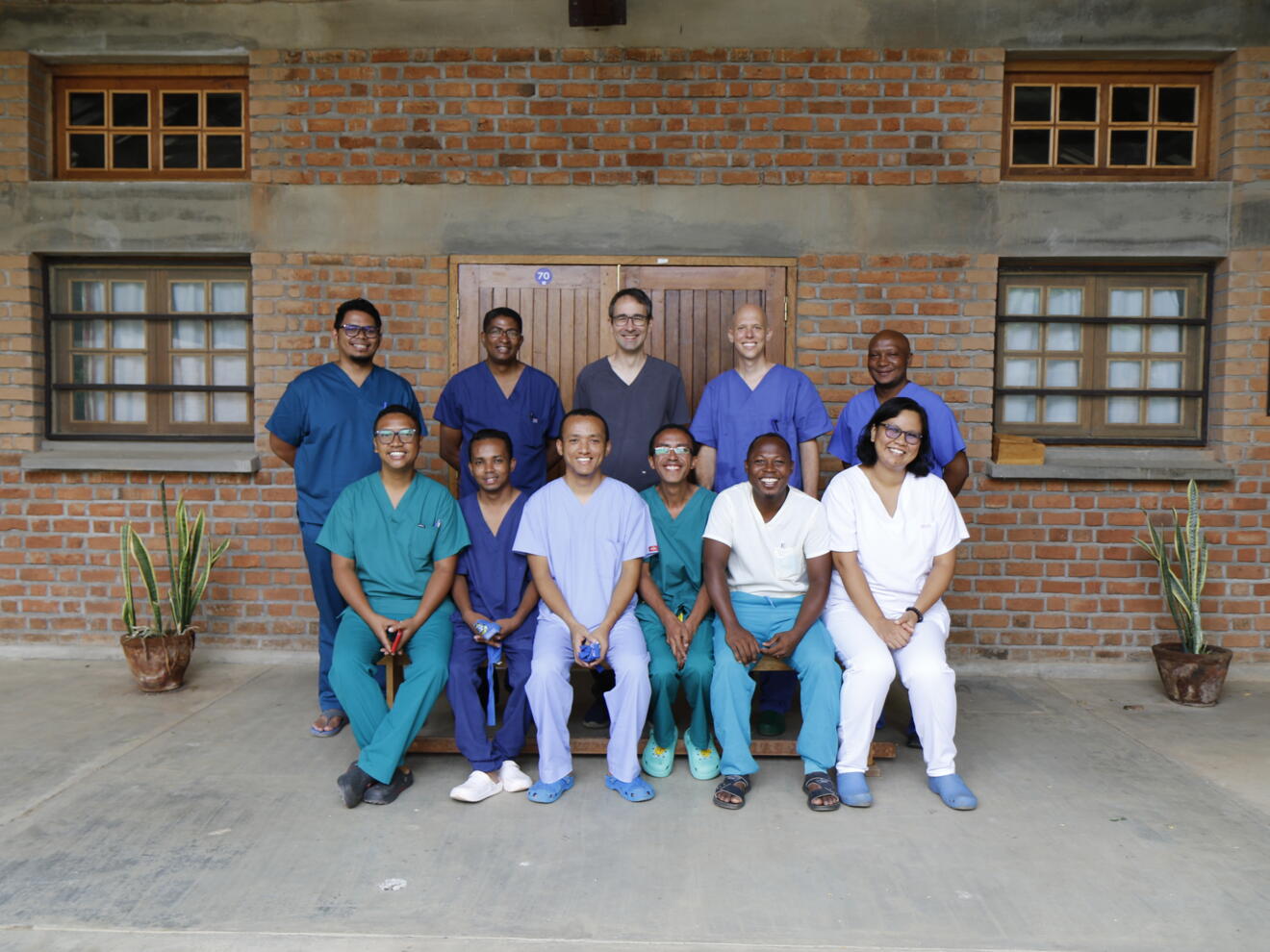
The current surgical team consists of three senior physicians from Madagascar, England and Switzerland, seven residents from Madagascar and one resident from the Democratic Republic of Congo.
My work is not only diverse, but also multilingual: English with the other surgeons; French with the nurses; Malagasy with the patients - although I still rely on a translator, as my knowledge is not yet sufficient despite weekly language lessons.
The means of transport that patients use to get to the hospital are also varied. Many patients walk or are carried, for example by a ‘Madagascan helicopter’ – four people carrying an injured person on a homemade construction. Sometimes they are on the road for up to a week. The Lancet Commission on Global Surgery states that within two hours, every person should be able to reach a hospital capable of performing the Bellwether procedures (caesarean section, treating an open fracture and laparotomy) (Bruno, 2017). This is far from our reality! We can change this by training as many good surgeons as possible. They, in turn, can train good surgeons, so that Madagascar has an ever-growing and improving network of hospitals with good surgeons.
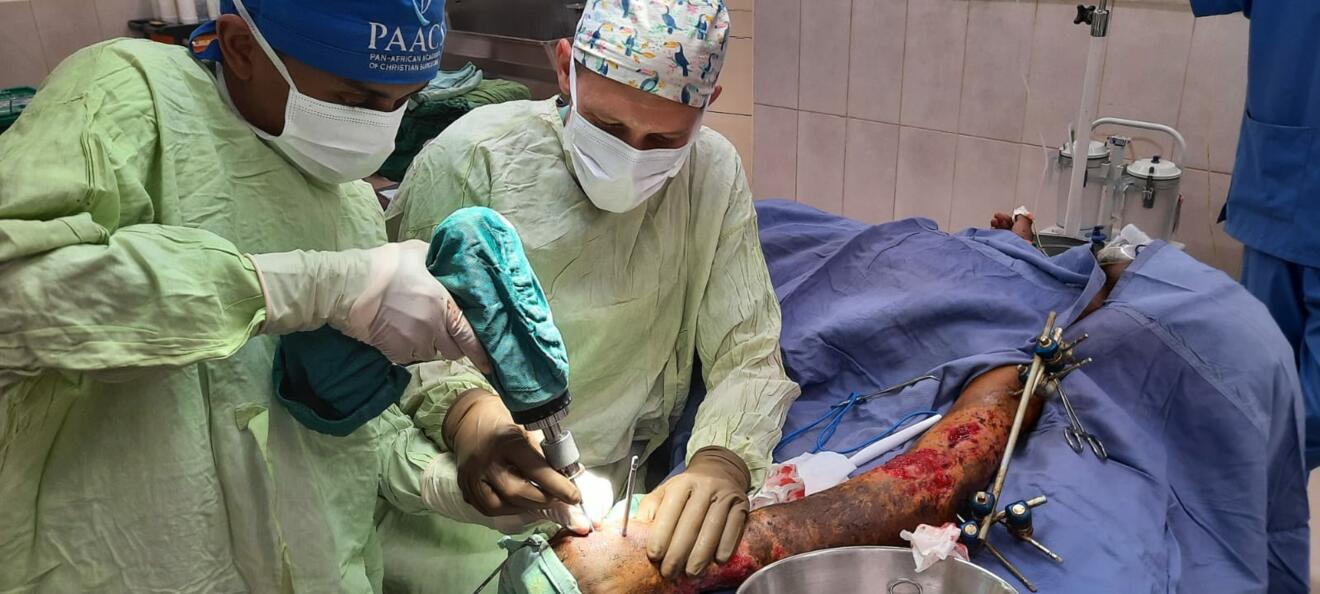
Teaching in the operating theatre. I am currently showing a young colleague how to apply an Ex Fix for a two-week-old open fracture of the forearm.
The only COSECSA hospital in Madagascar
Most of the procedures, I don’t perform alone, but teach them to our Residents. We are a teaching hospital and the only one in Madagascar where you can obtain the COSCSA (College of Surgery of Central and Sub-Saharan Africa) MCS and FCS diplomas. We are also affiliated with PAACS (Pan African Academy of Christian Surgeons), which pays for and supervises the training of our assistant doctors.
In Madagascar, there are 0.6 surgeons/anaesthetists/gynaecologists per 100,000 inhabitants, compared to 90.3 in Switzerland (factor 150) (Holmer, 2015). As is the case throughout the country, gynaecology/obstetrics is also performed by surgeons in our hospital; with a few exceptions formal subspecialisation does not exist. All types of endoscopies (gastroscopy, cystoscopy, bronchoscopy, laryngoscopy) are also performed by surgeons. This is why the training of young local colleagues is so incredibly broad and important.
A different relationship with death
Our training outside the operating theatre consists of three large rounds of visits and three hours of structured teaching per week, including lectures, journal club, mock exams and mock viva exams. In addition, there is a monthly morbidity and mortality conference. Unfortunately, not every patient survives. We therefore analyse each case carefully to understand what we can improve. People here deal with death differently: when someone dies, it is often accepted as part of the life rather than attributed to medical error. People even expect that you won't survive anaesthesia, and there are rumours of up to 20 per cent mortality associated general anaesthesia in other clinics.
I am often asked how I can bear all this suffering, which is often preventable. Yes, it is very sad when you have to deliver a stillborn baby by caesarean section and at the same time remove the uterus because of a rupture; and this in a 16-year-old woman, knowing that all this could have been prevented if the patient had come to the hospital earlier. In these situations, my faith and my focus on the cases in which help is possible sustain me. Instead of focusing on the cases where help was not possible or only possible to a limited extent, I try to concentrate on the lives we are able to save.
Studies adapted to our situation
One way to improve medical care and treatment, in addition to working at the operating table, is to conduct new studies. Very few studies come from LMICs (low and middle-income countries) and are therefore not suitable for our setting. That is why we are working on studies on various topics, such as: "Has survival improved since the introduction of a Level 1 ICU with four beds?" We see a reduction in mortality of over 50 per cent and a significantly shorter hospitalisation period for qSOFA scores of 2 and 3 in a comparable or even sicker population. We are also working on the development of an algorithm for the treatment of schistosomiasis haematobium-induced stenosis of the distal ureter. We are currently collecting data for several other studies on access to emergency laparotomies.
Bye Mandritsara for now – see you again soon
Existing studies are not suitable for Mandritsara, and life is a little different here anyway: the nearest swimming pool is about a nine-hour drive away in the dry season. The journey to the capital takes about 30 to 50 hours. There isn't much to do; there are a few small restaurants and lots of hills to explore on foot. During the rainy season and in the months that follow, you can go swimming in the river (fortunately, the crocodiles are far away and there should be no schistosomiasis – but to be on the safe side, we still take praziquantel and albendazole regularly). The children enjoy their freedom and spend almost the whole year barefoot and in summer clothes. Although we like it very much and there is still a lot to do, we will end our assignment for the time being with a heavy heart and return to Switzerland in the summer of 2026. However, we are certain that we would like to visit Mandritsara again at a later date, if possible. Perhaps we will choose a season when we don't need a fan at night and I can go jogging in the cool of the morning instead of the sweltering heat.
About
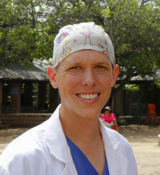
Dr. med. Daniel Kradolfer, specialist in surgery, has been living and working in northern Madagascar since summer 2022. In the ‘Good News Hospital’ aid project in Mandritsara, he is one of three senior surgeons responsible for eight Residents. When he is not in the operating theatre or seeing patients in outpatients or on the ward, he can often be found in the hills around Mandritsara or meeting the neighbourhood children for a game of floorball. He travelled there with his wife, Nadine, and his two daughters, who are of kindergarten age. The family will continue to work in the Good News project until summer 2026 and then return to Switzerland.
Alkire BC, R. N.-L. (2015). Global access to surgical care: a modelling study. Lancet Glob Health, Jun;3(6):e316-23.
Bruno, E. W. (2017). An Evaluation of Preparedness, Delivery and Impact of Surgical and Anesthesia Care in Madagascar: A Framework for a National Surgical Plan. World journal of surgery, 41(5):1218-1224.
Franke, M. A. (2022). Direct patient costs of maternal care and birth-related complications at faith-based hospitals in Madagascar: a secondary analysis of programme data using patient invoices. BMJ open, 12(4):e053823.
Holmer, H. e. (2015). Global distribution of surgeons, anaesthesiologists, and obstetricians. The Lancet Global Health, Volume 3, S9 - S11.
Löfgren J, N. P. (2016). A Randomized Trial of Low-Cost Mesh in Groin Hernia Repair. N Engl J Med, Jan 14;374(2):146-53.
Meara JG, L. A.-H. (2015). Global Surgery 2030: Evidence and solutions for achieving health, welfare, and economic development. Lancet, Aug 8;386(9993):569-624.