
The Swiss Transplant Cohort Study (STCS) is Switzerland's national cohort of solid organ transplant (SOT) recipients and has been recruiting since May 2008. It involves all six Swiss transplant centers and ensures lifelong follow-up of all transplant recipients, focusing on the individual recipient and their outcome after transplantation. Data from all transplant programs are combined in one ecosystem, which serves three aims: i. multicentric research in the key areas of transplantation medicine, ii. nationwide quality assurance and reporting in accordance with the Federal Transplantation Act and the Intercantonal Agreement on Highly Specialised Medicine, and iii. the sustainable operation of the STCS Data Infrastructure and Services (DIS), which provides high-quality data for research, education and innovation under explicit governance rules.
The STCS has been funded by the Swiss National Science Foundation (SNSF) since 2007 and Unimedsuisse since 2006. In 2021, the SNSF initiated a process to develop the cohort further, from a longitudinal cohort study into a research-oriented DIS of national importance. During this process, the STCS established an independent legal entity and underwent a comprehensive reorganisation, with a new governance structure and adaptation of all key processes.
By 31 December 2025, the STCS had enrolled 9,169 patients undergoing 9,775 transplant procedures with 10,109 organs from 4,979 donors, with a median follow-up of 6.5 years and 3.0% of patients lost to follow-up. Over the same period, 289 research projects were approved through the governance body of the cohort, and 116 peer-reviewed publications have been produced.
This article provides an insight into the organization, governance, and data infrastructure of the STCS. It shows how the infrastructure supports both quality assurance and research activities. Finally, it considers the challenges the infrastructure will have to meet in the coming years.
Introduction
The first kidney transplantation in Switzerland was performed in 1964. Today six centers are certified to perform solid organ transplantation[1]: the University Hospitals of Basel, Bern, Geneva, Lausanne and Zurich, and HOCH Health Ostschweiz – Cantonal Hospital St. Gallen. In the early years these centers worked largely independently of one another.
Today, the Swiss transplant sector operates as a tightly interrelated network of institutions. On behalf of the Federal Office of Public Health (FOPH), the Swisstransplant foundation acts as the national organization for donor recruitment and organ procurement and manages organ offers to the transplant centers. The allocation process is centralized in the Swiss Organ Allocation System (SOAS), provided by the FOPH, in which algorithms prioritize candidates according to, for example waiting time, the risk of dying on the waiting list and the immunological constellation between donor and candidate[2,3].
Switzerland has moreover a long tradition of living kidney donation. The Swiss Organ Living Donor Health Registry (SOL-DHR) follows and monitors the health of living donors over decades after donation[4–6]. Kidney paired donations allow kidney exchanges between incompatible donor–recipient pairs. It had been practiced by individual transplant centers on their own initiative since 2012 before it started as the national Swiss KPD program in 2019. Pooling incompatible candidate pairs nationally increases the probability of a matched transplantation, either between two pairs or within a longer chain. These recipients are likewise followed up in the STCS. Finally, donation after circulatory death (DCD) was resumed in 2011, after a legal clarification by the FOPH and an adaptation of the SAMS guidelines in a process initiated by Swisstransplant[7], and has become increasingly relevant since (Figure 4).
Development of the STCS, 2006 to 2026
The STCS originated in 2006 as a longitudinal, multicenter and multidisciplinary cohort project, newly funded through the SNSF call on longitudinal studies and by the hospitals hosting a transplant center. Their contribution was decisive for the start of the STCS, and it also gave rise to the “Groupe des 15” (G15), which later became Unimedsuisse, the organization representing the shared interests of the five university hospitals and medical faculties in Switzerland. The cohort infrastructure was built between 2007 and 2008, and recruitment of transplanted patients began in May 2008 [8,9].
The Federal Transplantation Act and its associated ordinance, along with Article 119a of the Federal Constitution, took effect on July 1, 2007[2,3]. These documents define the responsibilities of all stakeholders in the Swiss transplantation sector. For example, the ordinance requires that key post-transplant outcome parameters be monitored and reported annually to the Federal Office of Public Health (FOPH) and the public. This legal obligation lies with the transplant centers; they delegated this quality assurance task to the STCS, which was founded during the same period.
The introduction of the Human Research Act and its ordinances in 2014[10,11] represented an important change in the landscape of human research in Switzerland, and the adaptation of the processes and documents of the cohort to the new legislation between 2015 and November 2019 was a major milestone in its development. The resulting regulatory amendment ensured full compliance with the Human Research Act and the Human Research Ordinance.
In 2020, the SNSF initiated a strategy change and required the STCS to reorganize into a research-oriented DIS as a condition for future funding. In September 2022, the STCS adopted the legal status of a nonprofit association under Article 60 of the Swiss Civil Code[12]. The association became operational in 2023 and introduced a case-based financing model for its quality assurance services, replacing the funding previously provided by Unimedsuisse. The research infrastructure continues to be supported by SNSF funding.
Organization and governance
The General Meeting of Members is the supreme governing body where the members are the hosting institutions of all Swiss transplant centers. The Steering Committee determines the strategic orientation and oversees the ongoing business of the STCS. The executive structure consists of the Management Board and the three departments of Research, Infrastructure and Services, and Finance and Administration. The Management Board is responsible for the operational implementation of the purpose and strategy of the association. The Head of Research acts as the Principal Investigator or National Project Leader in relation to research funders. The Local Project Leaders assume responsibility for the operations and administration of the STCS at each transplant center in accordance with the HRA and the HRO[10,11].
Expert working groups provide the subject expertise required to operate the infrastructure. These groups cover infectious diseases, immunology and nephrology, oncology, genetics, pediatric transplantation, thoracic transplantation, psychosocial outcomes, and, since 2023, artificial intelligence in organ transplantation. The working groups bring together experts and researches from transplant centers and renowned Swiss research institutions. These experts closely collaborate with the Data Center (DC) team to operate the STCS infrastructure as an expert system. The Patient Advisory Board (PAB) has been actively engaged since 2018. Patients represented by the PAB contribute at both the strategic and operational levels through their participation in the Steering Committee, the Scientific Committee, and the Psychosocial Interest Group.
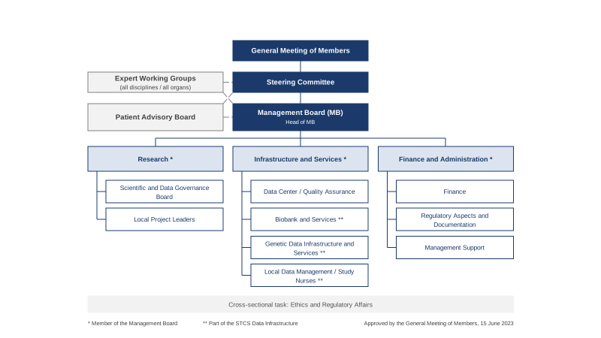
Figure 1. Organizational chart of the STCS association
The data infrastructure
The core data model of the STCS infrastructure reflects the core processes of the SOT domain. This model represents the entities of the donor; organ procurement; the allograft(s) originating from the donor; the waitlist candidate, who may subsequently become a recipient; the allocation procedure; the transplant procedure; the patient who has undergone transplantation; and the follow-up with patient- and allograft-specific outcome determination. Attached to the core data model are linked systems that, for example, automatically feed routine hospital data to the STCS infrastructure via CHIL, append add-on data from nested projects, or allow record linkage with SOAS.
In 2018, the STCS implemented a novel data management strategy integrating application development, data quality management, and data science services into the STCS DC. The DC has the necessary expertise to develop and operate the STCS ecosystem in-house, working alongside our various expert groups. The intention is to minimize dependence on external providers.
The STCS data infrastructure comprises applications, data platforms, hosting environments, and the biobank. Since 2019, all STCS systems and data have been hosted within the secure BioMedIT framework of the Swiss Personalized Health Network[13]: the clinical data systems at the sciCORE node in Basel, and genetic data at the Sensa node in Lausanne. In January 2023, the clinical data management system was replaced with a new, scalable, web-based database system, to which the datasets from the legacy system were migrated.
In a long-term undertaking such as the STCS, transparent documentation of every change to the data, to the data definitions and to the infrastructure itself is one of the key responsibilities of the infrastructure. The data must remain consistently readable and analyzable over decades, while the system is adapted to new developments in transplantation medicine.
The STCS operates a decentralized liquid biobank with plasma and DNA samples stored at the local biobanks of the six transplant centers. We carry out genotyping in batches, centrally, through the Lausanne University Hospital (CHUV) laboratory services. Genetic information is now available for almost all STCS patients who have given their consent. Table 3 lists the principal components of the ecosystem; the complete specification is maintained in the STCS Data Management Plan[14].
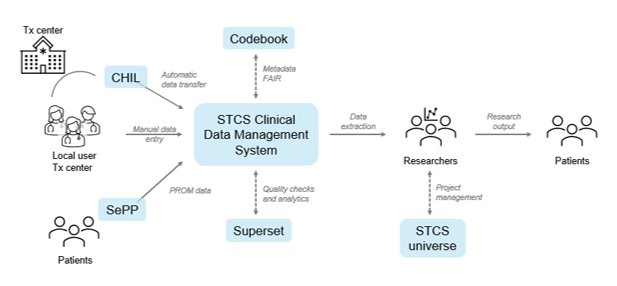
Figure 2. Simplified data flow through the STCS infrastructure. The detailed specification of applications, data classes and data flows is maintained in the STCS Data Management Plan[14].
Quality assurance and research
For the quality assurance mandate, which rests on a statutory duty and does not require patient consent, the STCS collects a minimal dataset for all transplanted patients, meeting the obligations set out in Articles 20 and 20a of the Federal Ordinance on Transplantation[3]. Its principal output is the annual report of the STCS[15]. Only for these patients does the STCS collect the full clinical dataset, including graft survival and function, infections, immunological risk stratification, surgical and medical complications, drug regimens, malignancies, cardiovascular events and comorbidities, together with research-specific data such as patient-reported outcomes from the Psycho-Social Questionnaire and biological samples for the biobank. Since quality assurance and research are conducted on a common infrastructure, the governance bodies can grant the transplant centers and other stakeholders of the transplantation sector access to this dataset for quality assessments addressing wider aspects of care.
All scientific operations are performed as STCS Nested Projects (NP), which are administered and supported by the Research and the Infrastructure and Services units. The STCS infrastructure itself does not conduct research on its own; collectively, the NPs constitute all the STCS's research activity. An NP is an independently led research project that uses infrastructure data to answer its own scientific questions. It is conducted by its own team of investigators in accordance with Swiss law and the association's governance rules. If a project requires data that is not generated by the infrastructure STCS, the principal investigator is responsible for defining and managing the collection of these "Add-on" data alongside the cohort data. The spectrum of projects therefore extends from secondary use of existing data, under the further-use provisions of the Human Research Ordinance[11], to prospective collection of purpose-built data.
The Scientific Committee is responsible for the review and approval of nested research projects submitted to the STCS; it consists of members of the transplant programs of each participating center, members of working groups and members of the Patient Advisory Board. The project lifecycle, from set-up through data delivery to completion, is managed in our dedicated system STCS Universe (table 3). Once the STCS and responsible Ethics Committee (EC) approve a project, the investigators receive de-identified, project-specific data cuts derived from curated analysis tables.
In a long-term DIS organization, informed consent procedures require ongoing attention and management. Consent documents must be periodically revised as data and sample collection evolve, and as regulations on human research, data protection, and data management change. They must also be updated in line with changes to ethics committees' templates and requirements for patient information.
Cohort Performance Indicators and outcomes
At the beginning of October 2026, the cohort comprised 9,636 enrolled patients, 10,294 transplant procedures from 5,248 donors. Detailed reporting refers to the closed observation period from 1 May 2008 to 31 December 2025, with follow-up data as of 11 May 2026; the complete tabulations are published in the annual report (www.stcs.ch)[15]. Table 1 summarizes the status of the cohort with its key figures. Table 2 presents enrolment and transplantation activity by transplant center and by transplant program. Figure 3 shows the annual activity of the individual transplant programs.
Reporting by type of donation is one of the standing analyses of the cohort. Kidney transplantation serves as the example here, since all type of donation can be shown in kidney program (Figure 4). Donation after brain death remains the largest group; donation after circulatory death has increased since 2011 to similar numbers of the DBD program, and living donation, ABO-compatible, ABO-incompatible and through kidney paired donation, contributes a stable proportion. Data for 2026 cover only a partial year, whereas Tables 1 and 2 close on 31 December 2025.
Long-term outcome reporting is illustrated by renal function after kidney transplantation. Figure 5 shows the distribution of recipients across the stages of chronic kidney disease, derived from the estimated glomerular filtration rate, for each year after transplantation up to sixteen years of follow-up. The distribution remains broadly stable over this period, with a gradual shift towards the more advanced stages at longer follow-up.
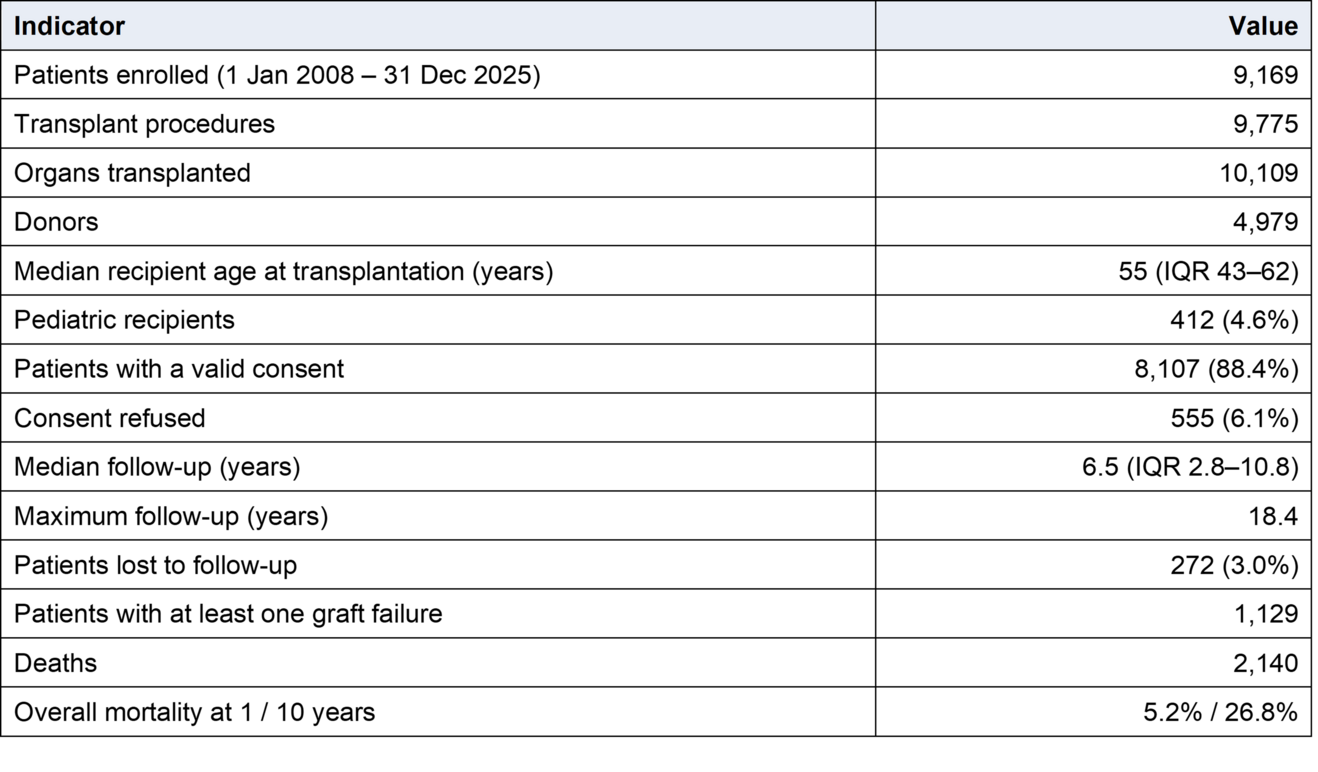
Table 1. The STCS in numbers. Enrolment period 1 January 2008 to 31 December 2025; follow-up data as of 11 May 2026. Source: STCS Annual Report, August 2026[15].
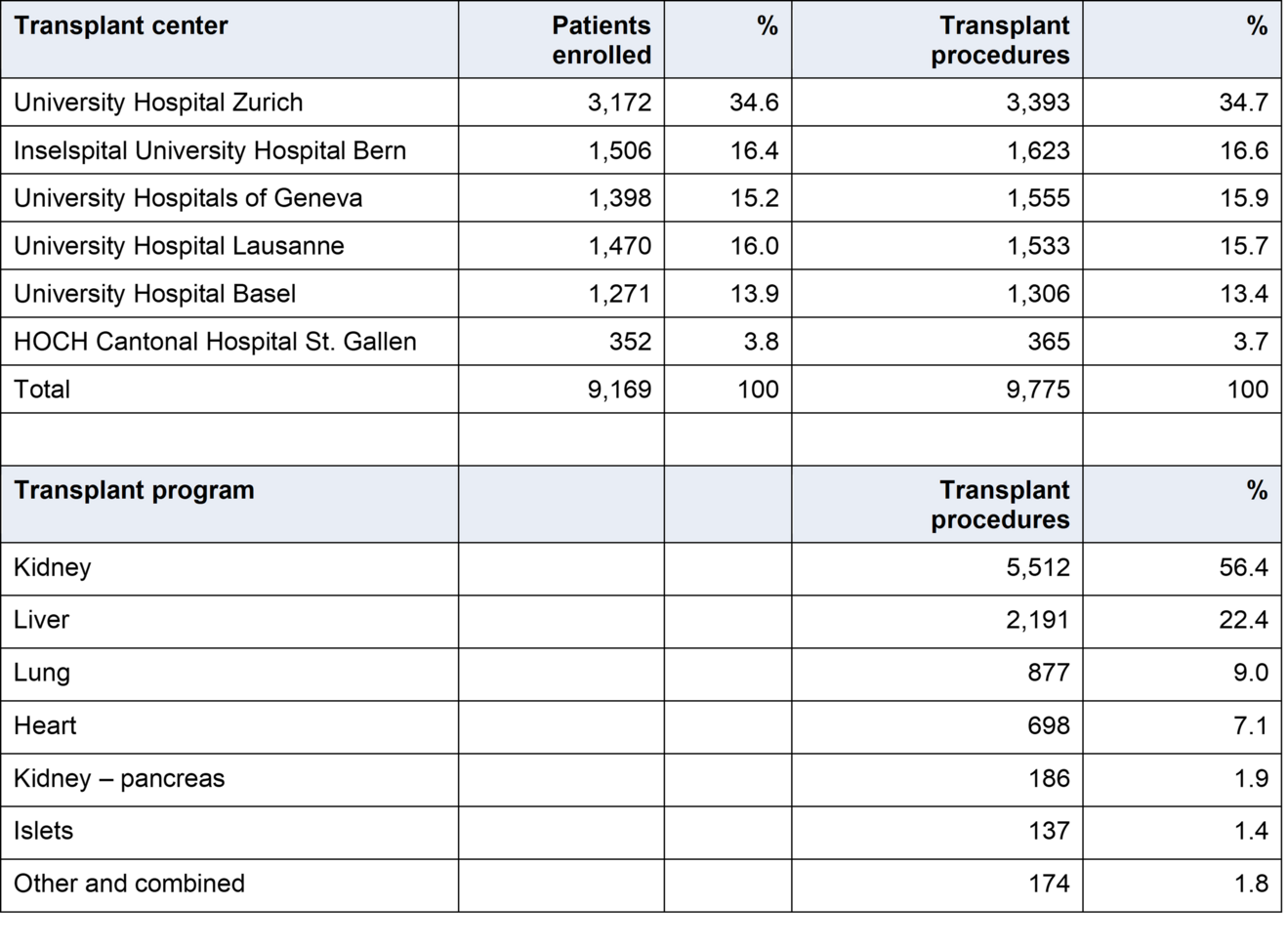
Table 2. Enrolment and transplantation activity by center and by organ program, 2008–2025. Percentages for organ programs refer to all transplant procedures. Source: STCS Annual Report, August 2026[15].
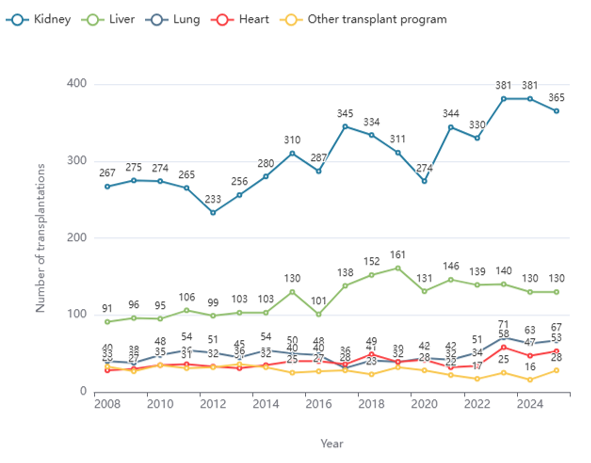
Figure 3. Transplant procedures per year by transplant program, 2008–2026. Data for 2026 cover a partial year.
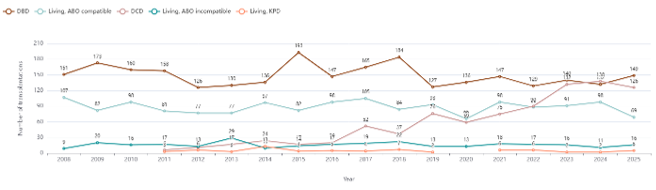
Figure 4. Kidney transplantations by type of donation, 2008–2026.
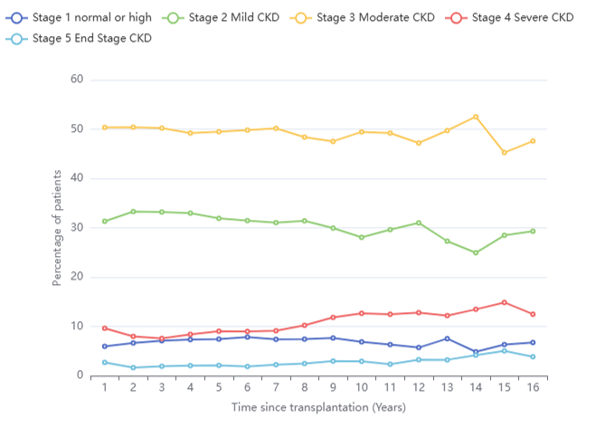
Figure 5. Longitudinal evolution of renal function after kidney transplantation. Proportion of patients in each stage of chronic kidney disease, derived from the estimated glomerular filtration rate, by year since transplantation.
The second group of indicators concerns the scientific activity carried out on the infrastructure. By October 2026, the governance bodies had approved 289 nested projects conducted on the STCS infrastructure, and 116 peer-reviewed publications have appeared since 2012, with an annual output rising to a maximum of twenty in 2022. Figure 6 shows our publications in the different subject fields: infectious diseases and immunology predominate, followed by drug treatment, transplant epidemiology, psychosocial aspects and clinical risk factors, while genomics, endocrinology and metabolism, biomarker studies and randomized controlled trials embedded in the cohort are also represented. The ten most frequently cited publications illustrate this profile. Clinical research from the cohort has mapped the timeline and burden of infection during the first year after transplantation[16] and has shown that opportunistic pathogens such as Clostridioides difficile double the risk of graft loss[24], while invasive aspergillosis carries a substantial morbidity that is influenced by host genetics, in particular IL1B and DEFB1 polymorphisms[20,23]. Studies of viral dynamics have shown that persistent cytomegalovirus replication remains independently associated with rejection and graft loss even under prophylactic treatment[17], that clearance of BK polyomavirus is driven by specific CD8 T cell responses[21], and that susceptibility to cytomegalovirus is further modulated by IFNL3/4 host genetics[22]. The first Swiss series of SARS-CoV-2 infections in transplant recipients[19] documents how rapidly the cohort can respond to a new clinical question. Beyond infectious risks, longitudinal behavioral data have shown that medication non-adherence before transplantation is a strong predictor of non-adherence to immunosuppressives afterwards[18], which underlines the value of continuous behavioral assessment. The methodological description of the cohort itself[8] completes the list.
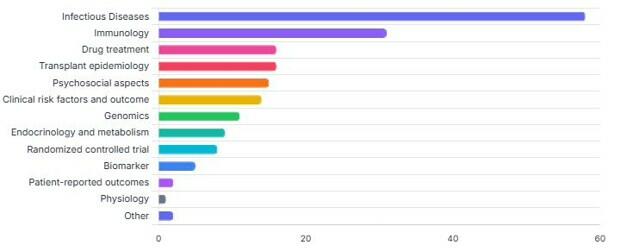
Figure 6. STCS publications by subject field. Publications may be assigned to more than one field.
A relevant proportion of the nested projects combine research with education. To date 24 bachelor’s, master’s and MD theses have been conducted on STCS data, and young investigators use the infrastructure both to pursue their own research questions and to learn the methods of real-world data and observational research. In total 159 investigators are registered as users of the cohort, and quality assurance projects are increasingly submitted and approved alongside research projects.
Networks and collaborations
The key collaboration partners at national level are the Federal Office of Public Health (FOPH) and Swisstransplant. The STCS furthermore maintains close collaborations with other Swiss research infrastructures. The STCS and the Swiss HIV Cohort Study (SHCS) are both DIS organizations of national importance supported by the SNSF. Both share common ground in the architecture of their platforms and a common research interest in the immunocompromised host; and the COVERALL trial platform[26–28]. With the Swiss Renal Registry and Quality Assessment Program (srrqap)[25], data linkage between the two infrastructures has been established for kidney transplant recipients, and direct data transfer between the two systems is being developed. A comparable infrastructure, the Swiss Organ Living Donor Health Registry (SOL-DHR), has monitored living donors since 1993 [4–6]; its structured lifelong follow-up is an important instrument of the national transplantation ecosystem.
At international level the STCS maintains a close scientific collaboration with PERSIMUNE in Copenhagen, the Danish center of excellence for personalized medicine of infectious complications in immune deficiency, whose MATCH cohort of transplant recipients addresses related questions on a comparable national scale[29]. The two infrastructures jointly operate a meta-cohort project in which de-identified datasets are combined into a single large cohort. A collaboration with the International Society for Heart and Lung Transplantation (ISHLT) is currently being established.
Outlook and Challenges
Several current developments call for a further build-out of the STCS infrastructure and a strategic broadening of its scope. Organ preservation and machine perfusion in the donor and procurement process are the subject of important research and innovation, with the aim of improving organ outcome after transplantation. These data are therefore being harmonized between STCS, SOAS and Swisstransplant, so that donor and procurement characteristics can be consistently related to recipient outcome.
New monitoring strategies for the allograft have been developed and are increasingly implemented in clinical practice, which requires a corresponding adaptation of the infrastructure. Donor-derived cell-free DNA, gene expression profiling, urinary chemokine monitoring and torque teno virus load as a marker of net immunosuppression[30] are gradually shifting surveillance away from protocol biopsy and are supposed to change the detection and management of suspected rejection episodes. The STCS, with a long-term and consistently defined series of endpoints, provides the conditions under which new methods can be evaluated against the established reference standard.
Why does a cohort still require its own core system for data collection and curation, including partly manual data validation and enrichment, in an era of artificial intelligence and digital hospital records? Would it not be sufficient to extract the required information directly from hospital information systems whenever a research question arises? In a highly complex medical domain such as transplantation, the core processes of the domain are built into the core data infrastructure, together with the precise definitions of the variables. The close representation of the clinical process in the data model ensures that results are comprehensible and replicable. The core system can be extended and enriched with add-on data, routine hospital data integration, or by record linkage with other registries[31]. Routine documentation has no standardized assessment points, so follow-up trajectories are not consistent across centers, and patients who move, change center or are treated outside the institution that transplanted them are at risk of being lost to follow-up. Following patients across different healthcare providers is at present not possible in Switzerland on the basis of electronic health records alone. A substantial part of the relevant information, including quality of life, adherence and patient-reported outcomes, is usually not available from routine care.
Despite the rapid advance and wide adoption of artificial intelligence, accurate observational data remains an irreplaceable source of knowledge. The most valuable information comes from following individual patients over many years in transplant centers and the organizations around them. High-quality observational data provide the foundation for machine learning and enable the generation of new insights.
In the longer term, the objective will be an integrated national data stream for SOT in Switzerland. All relevant systems would have to be connected: donor and waitlist data from SOAS, the living donor registry SOL-DHR, the transplant centers and satellites providing follow-up care, and the STCS as the infrastructure for the long-term observation of the recipient. The principal challenge is to retain patients in such a system over decades and to secure their follow-up, including the associated quality control. Digital and decentralized structures and applications will open new possibilities for data collection and new services for patients.
Conclusions
The STCS has followed all solid organ transplant recipients in Switzerland since 2008 under two mandates, a statutory quality assurance mandate funded by the Tx centers and a research infrastructure mandate funded by the SNSF. Its strength lies in the provision of high-quality long-term clinical and patient-reported outcomes, together with the operation of the biobank, under a governance structure that keeps access to the cohort open to investigators.
An important development was the strategic reorientation towards a research-oriented DIS, built on a stable and independent organization with clearly separate responsibilities for research, infrastructure, finance and strategic planning, allowing each organizational entity to concentrate on its respective tasks. The synergistic use of the same system for both research and for quality assurance has contributed substantially to establishing the STCS as a multicenter instrument. Moreover, operating the technical infrastructure in-house, together with our academic partners, has proved to be a sound decision.
The next step is the establishment of an integrated national data stream: seamless data exchange between all relevant systems would significantly expand research opportunities and enable the infrastructure to drive innovation in the Swiss transplantation domain.
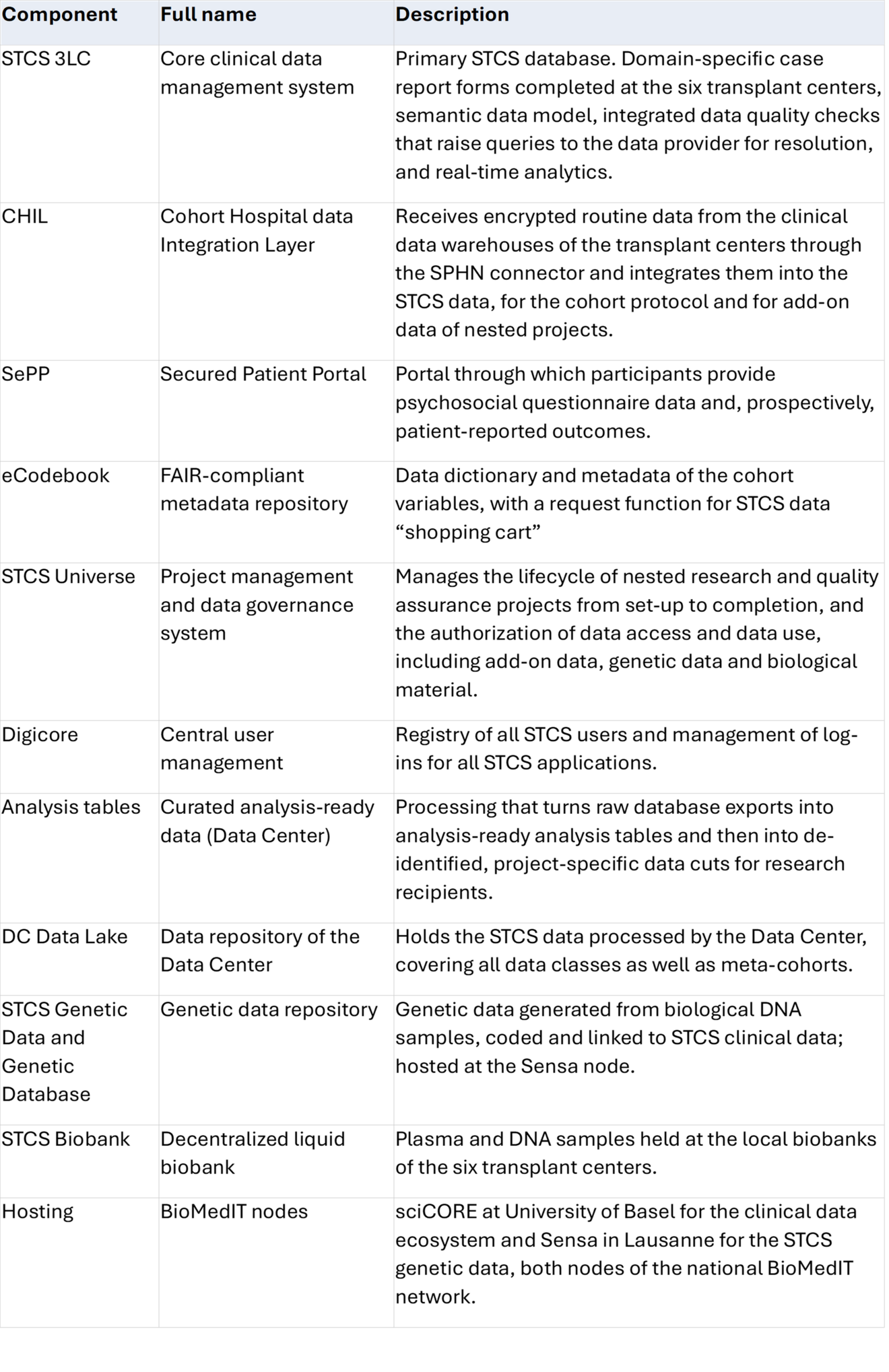
Table 3. Principal components of the STCS data infrastructure. The complete specification of applications, data classes, roles and data flows is maintained in the STCS Data Management Plan[14].
1. Swiss Conference of the Cantonal Ministers of Public Health (GDK/CDS). Intercantonal Agreement on Highly Specialised Medicine (IVHSM) of 14 March 2008, organ transplantation in adults. https://www.gdk-cds.ch/de/hochspezialisierte-medizin/bereiche/organtransplantationen-bei-erwachsenen (accessed 23 October 2026).
2. Federal Act on the Transplantation of Organs, Tissues and Cells (Transplantation Act) of 8 October 2004, SR 810.21.
3. Ordinance on the Transplantation of Human Organs, Tissues and Cells (Transplantation Ordinance) of 16 March 2007, SR 810.211, in particular Art. 20, 20a, 34 and 35.
4. Thiel GT, Nolte C, Tsinalis D. Prospective Swiss cohort study of living-kidney donors: study protocol. BMJ Open 2011;1:e000202.
5. Thiel GT, Nolte C, Tsinalis D, Steiger J, Bachmann LM. Investigating kidney donation as a risk factor for hypertension and microalbuminuria: findings from the Swiss prospective follow-up of living kidney donors. BMJ Open 2016;6:e010869.
6. Krättli J, Buess D, Flohr M, et al. Long term outcomes in living kidney donors over 30 years. Kidney Int Rep 2026;11:106690.
7. Immer FF. Organ donation after circulatory death in Switzerland: slow but constant progress. Swiss Med Wkly 2015;145:w14062.
8. Koller MT, van Delden C, Müller NJ, et al. Design and methodology of the Swiss Transplant Cohort Study (STCS): a comprehensive prospective nationwide long-term follow-up cohort. Eur J Epidemiol 2013;28:347–55.
9. Stampf S, Mueller NJ, van Delden C, et al. Cohort profile: The Swiss Transplant Cohort Study (STCS): a nationwide longitudinal cohort study of all solid organ recipients in Switzerland. BMJ Open 2021;11:e051176.
10. Federal Act on Research involving Human Beings (Human Research Act, HRA) of 30 September 2011, SR 810.30.
11. Ordinance on Human Research with the Exception of Clinical Trials (HRO) of 20 September 2013, SR 810.301.
12. Swiss Transplant Cohort Study. By-Laws and Organizational Regulations. Basel, 2022 and June 2023.
13. Swiss Personalized Health Network. BioMedIT: secure biomedical research IT network. https://www.biomedit.ch/ (accessed 23 October 2026).
14. Swiss Transplant Cohort Study. Data Management Plan, Appendix: Data Classification and Data Flow Description, version 12. Basel, 2026.
15. Swiss Transplant Cohort Study. Annual Report, January 2008 – 31 December 2025. Basel, August 2026.
16. van Delden C, Stampf S, Hirsch HH, et al. Burden and timeline of infectious diseases in the first year after solid organ transplantation in the Swiss Transplant Cohort Study. Clin Infect Dis 2020;71:e159–e169.
17. Stern M, Hirsch H, Cusini A, et al. Cytomegalovirus serology and replication remain associated with solid organ graft rejection and graft loss in the era of prophylactic treatment. Transplantation 2014;98:1013–18.
18. De Geest S, Burkhalter H, Bogert L, et al. Describing the evolution of medication nonadherence from pretransplant until 3 years post-transplant and determining pretransplant medication nonadherence as risk factor for post-transplant nonadherence to immunosuppressives: the Swiss Transplant Cohort Study. Transpl Int 2014;27:657–66.
19. Tschopp J, L’Huillier AG, Mombelli M, et al. First experience of SARS-CoV-2 infections in solid organ transplant recipients in the Swiss Transplant Cohort Study. Am J Transplant 2020;20:2876–82.
20. Neofytos D, Chatzis O, Nasioudis D, et al. Epidemiology, risk factors and outcomes of invasive aspergillosis in solid organ transplant recipients in the Swiss Transplant Cohort Study. Transpl Infect Dis 2018;20:e12898.
21. Leboeuf C, Wilk S, Achermann R, et al. BK polyomavirus-specific 9mer CD8 T cell responses correlate with clearance of BK viremia in kidney transplant recipients: first report from the Swiss Transplant Cohort Study. Am J Transplant 2017;17:2591–600.
22. Manuel O, Wójtowicz A, Bibert S, et al. Influence of IFNL3/4 polymorphisms on the incidence of cytomegalovirus infection after solid-organ transplantation. J Infect Dis 2015;211:906–14.
23. Wójtowicz A, Gresnigt MS, Lecompte T, et al. IL1B and DEFB1 polymorphisms increase susceptibility to invasive mold infection after solid-organ transplantation. J Infect Dis 2015;211:1646–57.
24. Cusini A, Béguelin C, Stampf S, et al. Clostridium difficile infection is associated with graft loss in solid organ transplant recipients. Am J Transplant 2018;18:1745–54.
25. Swiss Renal Registry and Quality Assessment Program (srrqap). https://www.swissnephrology.ch/srrqap/ (accessed 12 October 2026).
26. Kusejko K, Chammartin F, Smith D, et al. Developing and testing a Corona VaccinE tRiAL pLatform (COVERALL) to study Covid-19 vaccine response in immunocompromised patients. BMC Infect Dis 2022;22:654.
27. Speich B, Chammartin F, Abela IA, et al. Antibody response in immunocompromised patients after the administration of SARS-CoV-2 vaccine BNT162b2 or mRNA-1273: a randomized controlled trial. Clin Infect Dis 2022;75:e585–e593.
28. Griessbach A, Chammartin F, Abela IA, et al. Antibody response after third vaccination with mRNA-1273 or BNT162b2: extension of a randomized controlled SARS-CoV-2 noninferiority vaccine trial in patients with different levels of immunosuppression (COVERALL-2). Open Forum Infect Dis 2023;10:ofad150.
29. Esmann FVL, Zahid S, Moestrup KS, et al. Cohort profile: Management of Post-transplant Infections in Collaborating Hospitals (MATCH) Programme: a prospective cohort of all transplant recipients at Copenhagen University Hospital – Rigshospitalet, Denmark. BMJ Open 2024;14:e089966.
30. Simonetta F, Pradier A, Masouridi-Levrat S, et al. Torque teno virus load and acute rejection after orthotopic liver transplantation. Transplantation 2017;101:e219–e221.
31. Branca-Dragan S, Koller MT, Danuser B, et al. Evolution of disability pension after renal transplantation: methods and results of a database linkage study of the Swiss Transplant Cohort Study and Swiss disability insurance. Swiss Med Wkly 2021;151:w30027.